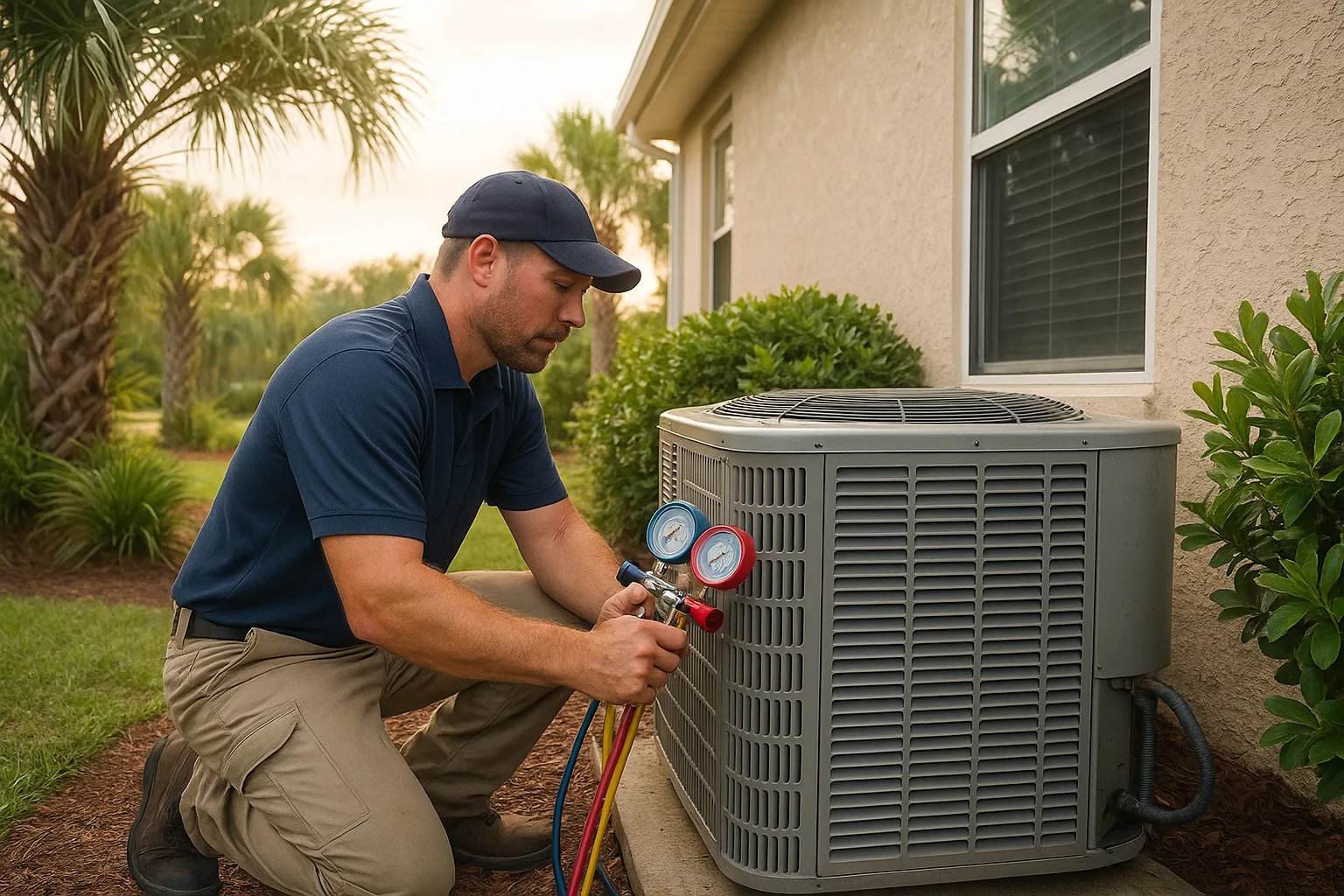
HVAC issues Niceville homeowners see most often
Living in Niceville means your HVAC system works hard for much of the year. Between coastal humidity, warm temperatures, and the effects of salt air corrosion, even a well-maintained unit can develop problems faster than homeowners expect. Some of the most common warning signs include weak airflow, uneven cooling, strange noises, thermostat problems, and higher electric bills. If your home suddenly has no cool air or certain rooms feel much warmer than others, those issues should not be ignored.
Many Niceville homes also rely on heat pumps, which makes year-round comfort possible but adds another layer of maintenance. When a heat pump struggles, you may notice short cycling, poor temperature control, or longer run times. Catching these problems early often keeps repair costs lower and helps the system stay efficient.
Why coastal conditions can wear down your system
The Florida Panhandle creates a tough environment for heating and cooling equipment. Coastal humidity can make your air conditioner work harder to remove moisture from the air, while salt air corrosion can damage outdoor components over time. This combination can affect coils, wiring, fasteners, and other parts exposed to the elements. For homeowners, that means regular air conditioning service is more than a convenience. It is part of protecting the system from avoidable breakdowns.
Niceville homes near the water or in breezier areas may see faster wear on outdoor units. Keeping the area around the condenser clear, checking for visible rust, and scheduling seasonal tune ups can help reduce the chance of surprise failures. A trusted HVAC contractor can also spot early signs of corrosion before they turn into major repairs.
Simple steps that can improve comfort and efficiency
Replace filters on schedule
Dirty filters restrict airflow and can make your system run longer than necessary. That can lead to more wear, less comfort, and lower indoor air quality. In humid climates, filters may need attention more often than homeowners expect.
Watch for thermostat problems
Sometimes the issue is not the entire system. Thermostat problems can cause inconsistent temperatures, short cycling, or a system that does not respond correctly. If the thermostat seems inaccurate or unresponsive, it is worth checking before assuming the worst.
Keep vents and outdoor units clear
Blocked vents and crowded outdoor equipment can reduce airflow and strain the system. Make sure furniture, rugs, and storage items are not covering supply vents. Outside, trim plants back and keep debris away from the unit so it can breathe properly.
Schedule seasonal tune ups
Preventive maintenance is one of the easiest ways to protect energy savings and extend system life. Seasonal tune ups allow a professional to clean components, tighten electrical connections, check refrigerant levels, and look for early warning signs before they become costly repairs.
When repair is better than waiting
It is tempting to keep hoping a noisy or underperforming system will fix itself, but HVAC problems usually get worse with time. If you notice uneven cooling, warm air from the vents, frequent breaker trips, or musty odors, it is a good idea to call for HVAC repair sooner rather than later. Emergency AC repair may be the right choice if the system stops cooling during a heat wave, especially for households with young children, older adults, or anyone sensitive to heat.
Fast service can also help protect other parts of the system. A small refrigerant issue, clogged drain line, or failing capacitor can lead to bigger damage if ignored. In many cases, a timely repair restores comfort quickly and prevents more expensive follow-up work.
Indoor air quality matters too
Comfort is not just about temperature. Indoor air quality affects how your home feels every day, especially in a humid climate where moisture and dust can build up. If your home feels sticky, stale, or unusually dusty, your HVAC system may need attention. Better filtration, clean coils, and proper humidity control can all help create a healthier indoor environment.
For families in Niceville, improving indoor air quality may also reduce allergy irritation and make the home feel fresher. A knowledgeable HVAC contractor can recommend options that fit the home and the household’s needs without overselling equipment you do not need.
What to expect from a local HVAC contractor
When you call Niceville AC Repair, you should expect clear communication, practical recommendations, and service that respects your time. A local technician familiar with Okaloosa County and the Florida Panhandle understands how coastal humidity and salt air corrosion affect systems differently than inland homes. That local experience can make diagnosis faster and repairs more accurate.
Whether you need AC repair, air conditioning repair, heat pump repair, or routine air conditioning service, a dependable team should explain the issue in plain language and help you choose the best next step for your home and budget.
Stay ahead of breakdowns with the right help
HVAC problems rarely happen at a convenient time. The best way to avoid stress is to stay alert to small changes, handle maintenance consistently, and call for help when something seems off. For Niceville homeowners, that approach can mean better comfort, lower energy bills, and fewer emergency repairs during the hottest months.
If your system is not keeping up, call Niceville AC Repair at (850) 258-3225 for local help from an experienced HVAC contractor. You can also learn more at asuperiormechanical.com.
Frequently Asked Questions
Most homes benefit from seasonal tune ups at least once or twice a year. In Niceville, where coastal humidity and heavy AC use are common, regular maintenance helps reduce wear and catch small issues early.
Call for repair if your system stops cooling, blows warm air, makes unusual noises, leaks water, or shows uneven cooling throughout the house. These issues can worsen if left alone.
Yes. Salt air corrosion can affect outdoor components, fasteners, and coils over time. Regular inspections and maintenance help slow that wear and protect the system.
High indoor humidity can happen when the system is undersized, dirty, low on refrigerant, or in need of maintenance. A technician can inspect the equipment and recommend the right fix.
Service Area
Need HVAC Help in Niceville?
Call Niceville AC Repair or request service online.
Request Service